
Of every term in the phonics glossary, phoneme and grapheme cause the most confusion — they sound alike and get used in the same sentence constantly. The distinction is actually simple once it's tied to examples, and it's worth having straight because so much of phonics instruction is built on it.
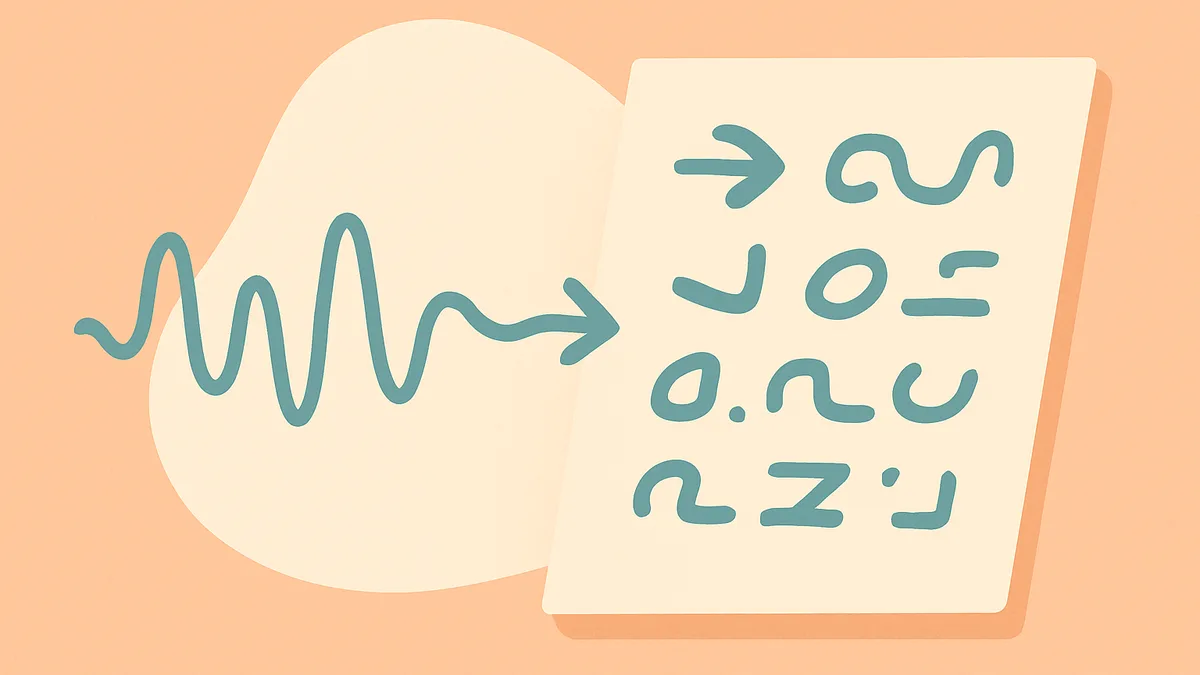
Phoneme: the sound
A phoneme is the smallest unit of sound in spoken language — something you hear, not see. The word "cat" has three phonemes: /k/, /a/, /t/. Change any one of them and you get a different word ("bat," "cot," "can"). Phonemes exist purely in speech; a child could understand and produce them perfectly without knowing how to read a single letter.
Grapheme: the letters that write it down
A grapheme is the letter or group of letters used to represent one phoneme in writing. Sometimes that's a single letter, like "m" for /m/. Sometimes it's two letters standing for one sound, like "sh" in "ship" — two letters, one phoneme, one grapheme. Sometimes it's three, like "igh" in "night." The key test is: how many sounds, not how many letters. "Ship" has three phonemes (/sh/ /i/ /p/) and three graphemes ("sh," "i," "p"), even though it's spelled with four letters.
| Sound (phoneme) | Possible spellings (graphemes) |
|---|---|
| /k/ | c (cat), k (kite), ck (duck), ch (school) |
| /f/ | f (fish), ff (cliff), ph (dolphin) |
| /sh/ | sh (ship) — always this one grapheme in everyday words |
| long /oo/ | oo (moon), ue (blue), ew (chew), u-e (rule) |
Why one sound can have several spellings
English has around 44 distinct phonemes but only 26 letters, so the alphabet can't give every sound its own single letter. Letters combine into digraphs and trigraphs to cover the gap, and history left multiple spelling options for many sounds. This is exactly why phonics programs teach one grapheme per sound at a time in early lessons, then gradually introduce the alternative spellings — trying to teach all the variations for /k/ or /f/ at once would overwhelm a beginner.
See it in the teaching order
Programs deliberately start with sounds that have one simple, common grapheme (like "m," "s," "a") before introducing sounds with multiple spellings. Our phonics teaching order guide explains why that sequence is chosen the way it is.
Why this distinction matters for spelling, not just reading
Reading and spelling ask the reverse question of each other, and grapheme awareness is what bridges them. Reading asks: given this grapheme, what sound does it make? Spelling asks: given this sound, which grapheme should I write? Spelling is usually the harder direction, because a single phoneme can map to several graphemes — a child hearing /k/ at the end of a word has to choose between "c," "k," and "ck" rather than just recognizing one option on the page. This is why spelling typically lags a little behind reading throughout early literacy: recognizing a grapheme is easier than selecting the right one from memory.
Phoneme and grapheme are just two of the terms that come up constantly in phonics teaching. For the rest of the vocabulary — digraph, blend, decodable, and more — see our phonics terms glossary.
Not sure where to start?
Build a free personalized phonics practice plan for your child — pick a start date and pace, we schedule the rest.