


New: Letter Pals — 100% free alphabet game · English · Tiếng Việt · 한국어 · 日本語
Letter pals that talk: learn the ABC, chữ cái tiếng Việt, 한글 and ひらがな — trace, play and collect stickers. No sign-up, plays in your browser.
Free phonics resources for teaching kids to read.
44 interactive phonemes, free printables, phonics games, and parent guides — everything to teach synthetic phonics, at home or in the classroom.
100% Free · No Account · No Ads
Teaching every day? Open the free web appNew · Free online program
Teach one sound a day, with a plan that remembers.
92 lessons in order, flashcards to show your child, games, checkpoints and progress for each learner — saved to your account, so you can pick up on any device.
No password — we email you a 6-digit code.
- Today’s lesson, ready in one tap
- Present mode: big cards for your child
- Progress for every sound, every learner
Try the sounds yourself
Tap a tile to hear the real phoneme — the same sound-first approach UK schools use, starting with the first 6 letters every program teaches.
Hear → Blend → Read
The same 3-step method behind every sound, game, and printable on this site.
- 1
Hear
Each tile plays the pure phoneme — /a/ as in ant, not the letter name.
- 2
Blend
Sounds combine into words: c-a-t → cat. Mini-games drill both directions.
- 3
Read
Decodable words unlock as your child masters their building blocks.
Where does your child fit?
Every phonics program teaches sounds in roughly the same order. See the 5-stage roadmap, find where your child is now, and jump straight to what comes next.
Free phonics games
5 browser games, no download, no sign-up — play right now.
Free printables
Flashcards, tracing sheets, word lists, cheat sheets — 30+ free PDFs, no email required.
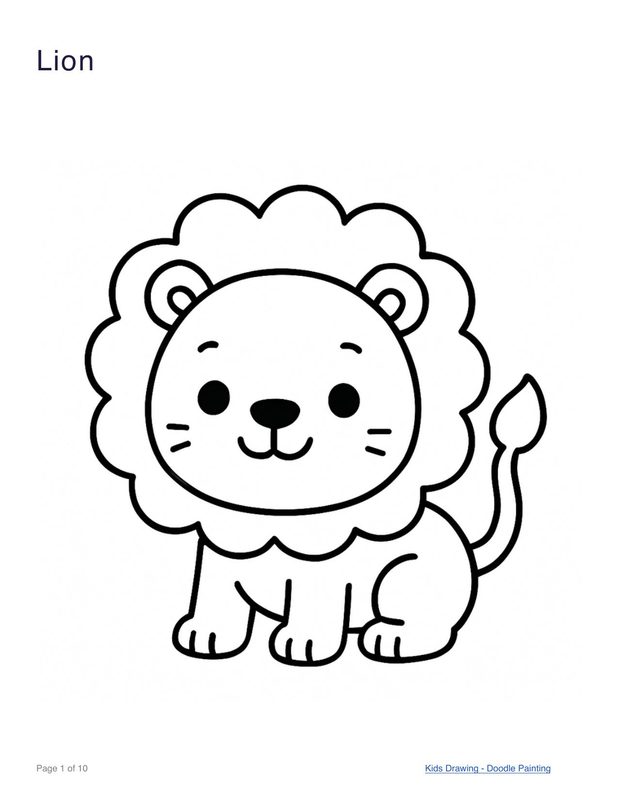
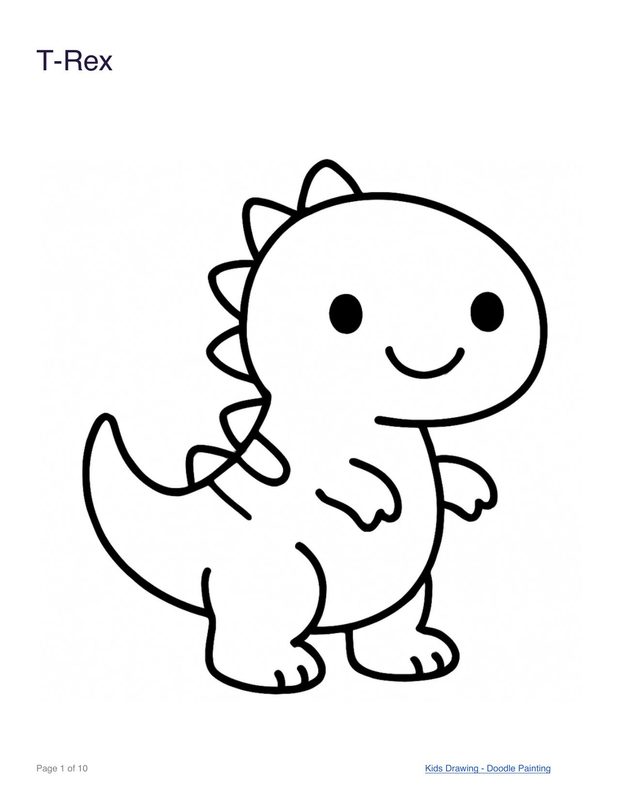
100+ free coloring pages
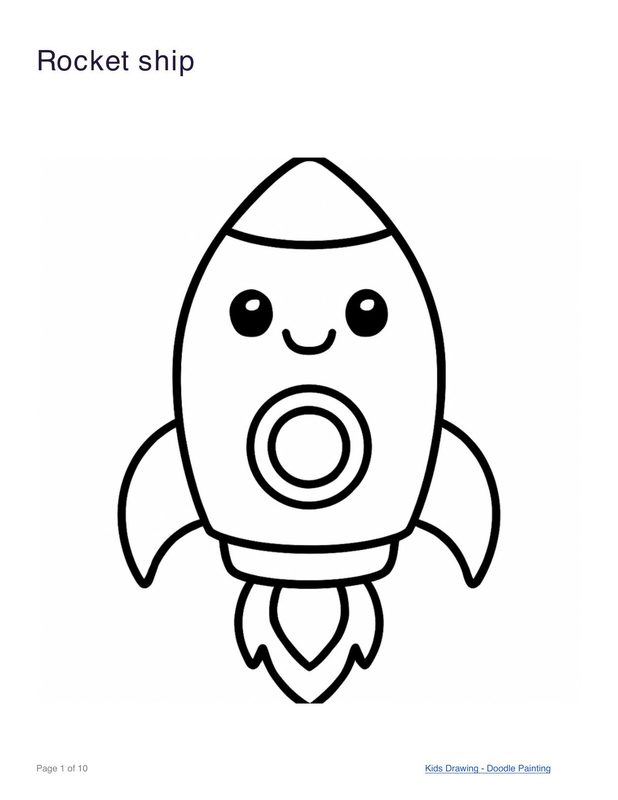
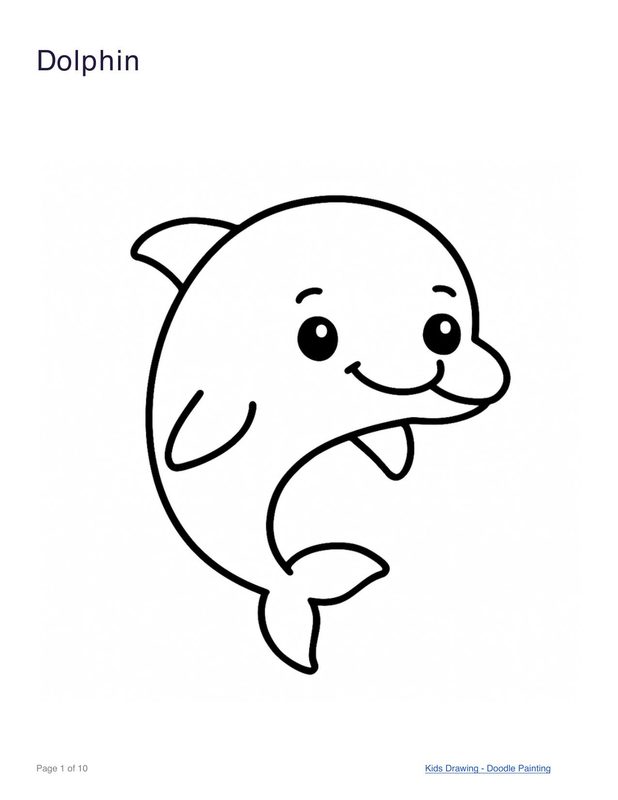
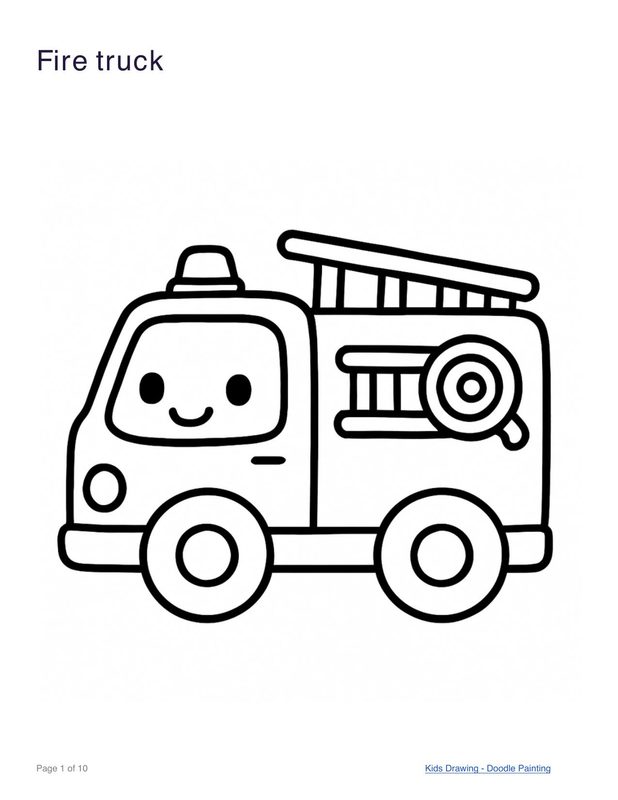
Animals, dinosaurs, space, Halloween, and more — sorted by topic, free PDFs, no email required.

More practice, anywhere.
Everything above, plus mini-games, sing-along songs, and voice-driven scenes your child can play offline. Free to start, no surprise ads.
Kids Drawing, Doodle Painting
Want to explore drawing and coloring too? Draw, paint, and play — 11 creative activities for kids.
New to teaching phonics?
Start here — three guides that answer what parents ask first, and a plan that keeps your place.
How synthetic phonics works
The method behind every sound on this site, explained for parents.
The 5-minute daily routine
One short, repeatable session that builds real reading progress.
Phonics by age
What's realistic to expect at 2, 3, 4, 5, and 6 years old.
- Free online lessons
My Plan — lessons that remember your place
Today's lesson ready in one tap, progress for each child, and the articles you save — on any device.
Parent FAQ
- Ages 2–6. Big tap targets, no reading required to navigate, no time pressure. The Speak-With-Me scenes stretch through age 7 for emerging readers.
- Yes. Sound tiles, songs, mini-games, traces, and the starter podcast episode all work offline. Extra podcast episodes stream when online.
- No ads inside the kid-facing surfaces. Everything outside (store links, parent settings) sits behind a parent gate so children can't tap out by accident.
- American English has 44 sounds (phonemes) but only 26 letters. We teach all 44 — 25 single letters (q only ever appears as qu) plus digraphs, vowel teams and r-controlled vowels (sh, th, ai, igh, oo, ar, air, …) — so a child can decode real words, not just letter names.