
Phonics blog

Prefixes and Suffixes: A Phonics-First Approach

Un-, re-, dis-, -ful, -less, -ness change meaning, not just tense. How to teach kids to spot these chunks instead of sounding letter by letter.

7 min read

"Unhappy" isn't just "happy" with extra letters — the un- chunk flips the meaning entirely. Learning to recognise these meaningful chunks (called morphemes) is the bridge between phonics and vocabulary, and it makes long words far less intimidating.
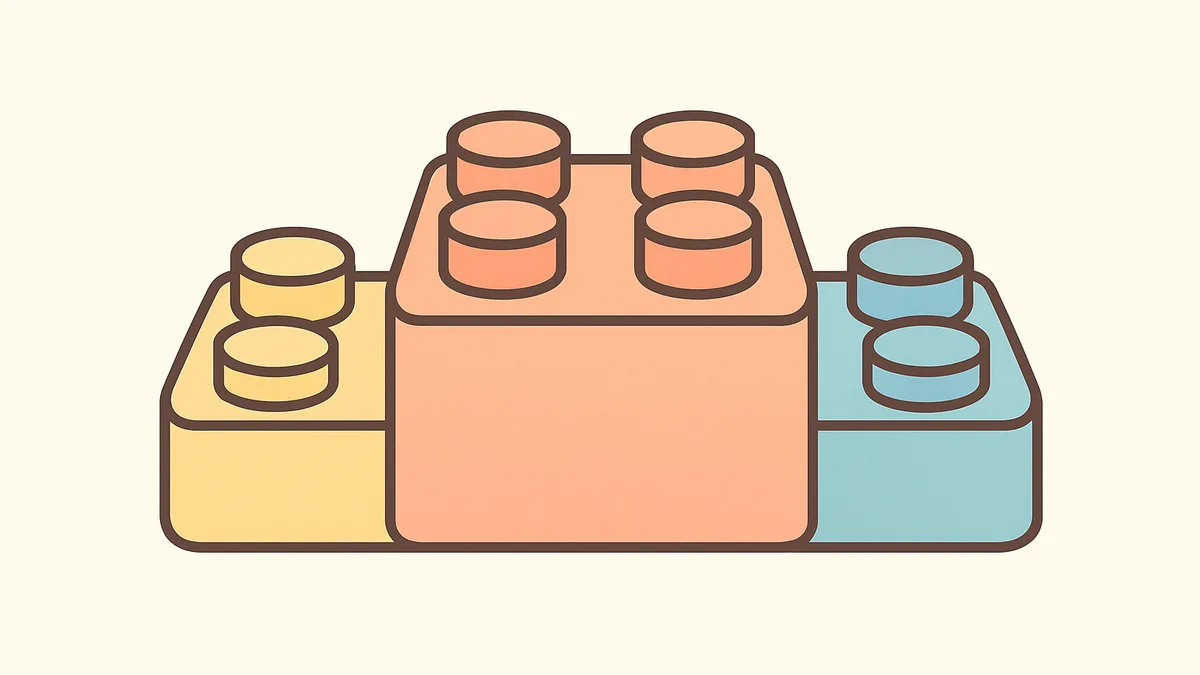
Small building blocks attaching to the front and back of a central word block, representing prefixes and suffixes

Prefixes and suffixes change meaning, not just tense

This is different from the -ing/-ed/-er suffix spelling rules — those change a word's tense or form. Prefixes like un- and suffixes like -ful genuinely change what the word means: happyunhappy (not happy) or carecareful (full of care).

The 5 most useful prefixes

un- (not / opposite)
unhappyunfairunlockundounkind
re- (again)
redoreplayrewritereturnrestart
dis- (opposite / not)
dislikedisagreedisappeardisobey
pre- (before)
previewprepaypreschoolprepare
mis- (wrongly)
misspellmistakemisreadmisunderstand

The 5 most useful suffixes

-ful (full of)
carefulhelpfulcolorfulplayful
-less (without)
carelesshelplessfearlessendless
-ness (state of being)
happinesskindnessdarknesssadness
-ly (in a certain way)
quicklyslowlyquietlyhappily

Teach it as a chunk, not letter by letter

Have your child spot the prefix or suffix first, cover it, read the base word, then add the chunk back and say the meaning out loud ("un + happy = not happy"). This chunk-recognition habit is what makes long words fast to decode instead of slow and letter-by-letter.

This is a natural next step after decoding multisyllabic words — most long words are built from exactly these kinds of recognisable chunks.

Frequently asked questions

What's the difference between these suffixes and -ing/-ed/-er?+
-ing, -ed, and -er are inflectional — they change tense or form without changing the word's core meaning. Prefixes and suffixes like un-, -ful, and -less are derivational — they actually change what the word means.
What are the most useful prefixes to teach first?+
Un- (not), re- (again), and dis- (opposite/not) cover a huge number of common words and are worth teaching before less frequent ones like pre- or mis-.
How should a child decode a word with a prefix or suffix?+
As a whole chunk, not letter by letter — recognising "un" as one unit meaning "not" is faster and more useful than sounding out u-n every time. This is a bridge skill between phonics and vocabulary.
When should morphology (prefixes/suffixes) be introduced?+
Once basic phonics decoding is fluent and multisyllable words are being tackled — typically alongside or after learning to decode multisyllabic words, since chunk-recognition works best once whole-word blending is already solid.

Related posts

Get the app

Get the full app — 15 phonics games, 43 native sounds

Free on iPhone, iPad, and Android. Works offline. No ads, no surprise paywalls.

ABC Phonics — Sounds for Kids