
Phonics blog

Plural Rules: -s, -es, -ies — Why Cats Isn't Spelled Catz

Three simple rules cover almost every plural in English: add -s, add -es after certain sounds, or swap y for -ies. Word lists and irregular exceptions.

6 min read

Cats, buses, and babies all mean "more than one" — but they're spelled three different ways. Here are the 3 rules that predict which spelling to use, plus the short list of irregular exceptions.
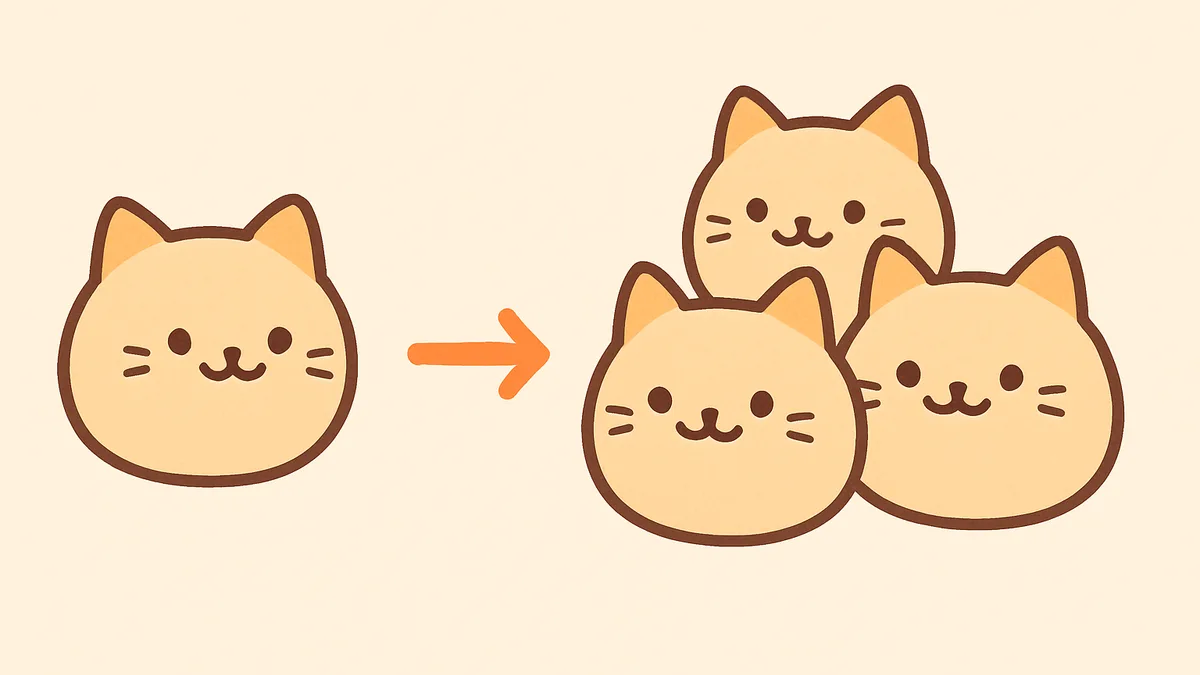
One cat icon multiplying into three cat icons, representing the concept of plurals

Rule 1: Just add -s

The default rule, covering most words.

Just add -s
catsdogsbookschairstreesbirds

Rule 2: Add -es after s, x, z, ch, sh

These endings already end in a hissing or buzzing sound, so English adds a full extra syllable (-es) rather than just -s, which would be impossible to say clearly.

Add -es
boxesbusesbuzzeschurchesdisheswishesfoxes

Rule 3: Y endings — depends what comes before

Before the YRuleExample
A vowel (ay, oy, ey)Just add -stoy → toys, day → days
A consonantChange y to i, add -esbaby → babies, city → cities
Y → IES (consonant before y)
babiescitiespuppiescandiesfamiliesponies

A small set of irregular plurals

child/children, mouse/mice, foot/feet, man/men, tooth/teeth — these don't follow any of the regular rules and are best taught as a short memorised list rather than an attempted rule.

Plurals are one more piece of the spelling-rule picture — see our 10 English spelling rules and suffix spelling rules for the rest.

Frequently asked questions

What are the main rules for spelling plurals?+
Add -s to most words (cats, dogs). Add -es after words ending in s, x, z, ch, or sh, where an extra syllable is needed to say it (boxes, buses, churches). Change a final y to -ies when the y follows a consonant (baby → babies).
Why does 'toy' become 'toys' but 'baby' becomes 'babies'?+
It depends on what comes before the y. If a vowel comes before y (toy, boy), just add -s. If a consonant comes before y (baby, city), change the y to i and add -es.
Are there irregular plurals that don't follow these rules?+
Yes — child/children, mouse/mice, foot/feet, and a handful of others don't follow the regular rules at all. These are rare enough to teach as memorised exceptions rather than trying to derive a rule for them.
When should plural rules be taught?+
Once basic -s/-es endings are being read in simple texts — typically around the same stage as other suffix rules, since recognising plurals quickly speeds up general reading fluency.

Related posts

Get the app

Get the full app — 15 phonics games, 43 native sounds

Free on iPhone, iPad, and Android. Works offline. No ads, no surprise paywalls.

ABC Phonics — Sounds for Kids