
Nearly every parent teaching phonics at home makes a few of these mistakes — most are easy habits to fall into, and all are easy to fix once you know what to look for. Here are the seven that show up most often.
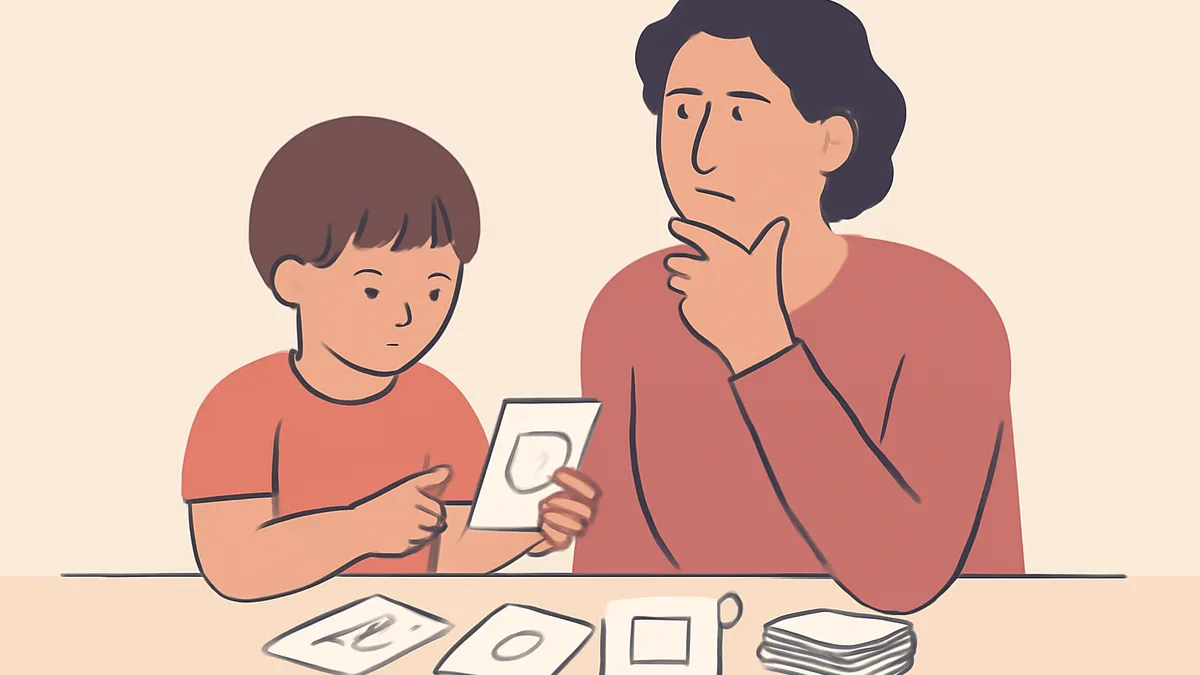
The 7 mistakes
- Saying letter names instead of sounds. "Bee" instead of /b/ feels natural but undermines blending, which depends on hearing clean sounds strung together. Fix: practice sounds in isolation deliberately, and save letter names for later, separate practice.
- Moving to whole-word reading before sounds are solid. Rushing ahead has a child memorizing word shapes rather than decoding them, which breaks down as soon as an unfamiliar word appears. Fix: keep new words limited to what current sounds can actually decode.
- Treating blending as automatic once sounds are known. Knowing individual sounds and blending them into a word are different skills, and blending needs its own dedicated practice. Fix: practice blending short words aloud daily, separate from sound-recall drills.
- Correcting every mistake the instant it happens. Jumping in immediately every time doesn't let a child build their own error-checking instinct, and it can knock their confidence. Fix: pause for a couple of seconds and offer a small hint before correcting outright.
- Switching keywords or explanations between sessions. Calling "a" the "apple sound" one day and something else the next adds confusion instead of removing it. Fix: pick one keyword per sound and stick with it consistently.
- Practicing only with flashcards, never real text. Fast, confident answers on isolated cards don't always transfer to reading the same sounds inside real words and sentences. Fix: pair every card session with a few minutes of decodable-text reading.
- Expecting mastery after one session. A new sound typically needs several short sessions spread across one to two weeks before it's reliably automatic. Fix: plan for repetition from the start instead of treating a shaky second attempt as a setback.
The most common one, by far
If you only fix one thing today, fix letter names vs sounds. See our letter sounds vs letter names guide for exactly how and when to introduce each one.
An eighth mistake worth watching for
There's an eighth mistake that doesn't always make top-seven lists because it happens before letters even enter the picture: moving straight into letter-sound teaching before a child can hear and manipulate sounds orally. Phonemic awareness — hearing that "cat" has three separate sounds, or that "sun" and "sit" start the same — is a listening skill, not a reading skill, and it's meant to come first or run alongside early letter work, not after it. A child who can name letter sounds on cards but still struggles to clap out syllables or tell you the first sound in a spoken word, with no letters involved at all, is missing groundwork that blending depends on. The fix looks a lot like the flashcard fix above: add a few minutes of purely oral practice — rhyming, syllable clapping, "what sound does 'fish' start with" said aloud with no card in sight — alongside letter teaching rather than assuming it'll develop on its own. This one is easy to miss precisely because it's invisible; a child can seem to be progressing through letter sounds just fine while this earlier layer stays shaky, and it tends to surface later as unexpectedly effortful blending rather than as an obvious early warning sign.
None of these mistakes are signs of doing it wrong overall — they're just common habits that are easy to adjust. For the sequence to build lessons around going forward, see our phonics teaching order guide.