
Half of the 40 words in the Phonics Screening Check aren't real words at all — they're invented "pseudo-words" (also called alien words or non-words) built from genuine English spelling patterns. Here's what they actually look like, why the check uses them, and a practice list you can use at home.
What makes a word a "pseudo-word"
A pseudo-word follows real spelling rules — the same digraphs, blends, and vowel patterns your child already knows — but doesn't mean anything and won't appear in any book. Examples: vap, throot, or blim. None of these are real, but every letter combination in them behaves exactly the way it would in a real word.
Why bother with made-up words?
A real word can sometimes be read correctly just from memory, without any actual sounding-out. A pseudo-word can't — there's no way to "just know" it, so reading one correctly proves genuine decoding. See our full guide to the Phonics Screening Check for how this fits into the check as a whole.
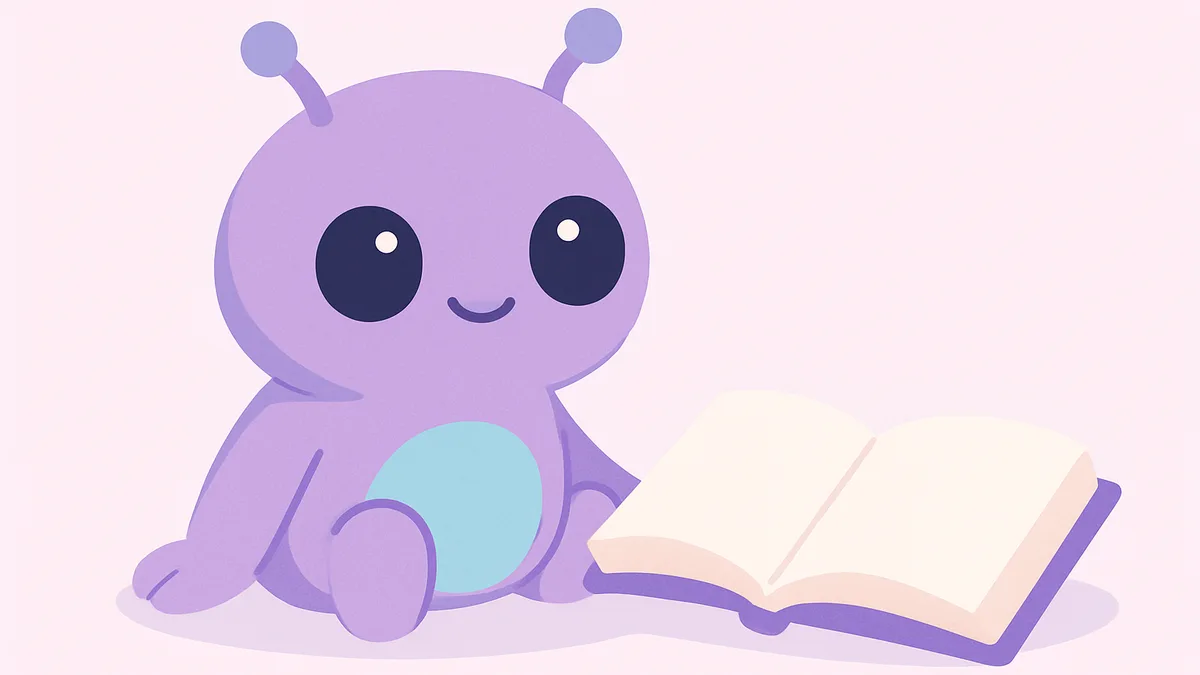
How your child will know it's a pseudo-word
Every pseudo-word on the real check sits next to a small picture of a friendly alien or creature, so children are told upfront: "this one isn't a real word — just sound it out." That's a genuine relief for most kids, since they're not left wondering if they've misheard a real word they should recognize.
Practice pseudo-words, sorted by pattern
These aren't official test words (the real check uses a fresh set each year) — they're practice examples built the same way, grouped by the phonics pattern they use, easiest first.
A 5-minute pseudo-word game
- Write one column of practice words, starting with the CVC group above.
- Say: "These are made-up words — sound each one out, there's no wrong answer."
- Have your child read down the column, one word at a time, out loud.
- Move to the next group only once a column feels easy — don't rush to magic-e.
- Keep it under 5 minutes. The goal is comfort with the idea of nonsense words, not memorizing this exact list.
Once pseudo-words feel comfortable, revisit the Phonics Screening Check pass mark to understand exactly how these are scored, or head to the phoneme map for audio practice on any pattern that's still shaky. See our full lead-up plan for how to fit this into the weeks before the check.
Free printable for this topic
Download the Phonics Screening Check Practice — a free PDF you can print and use today.