
"Phonics curriculum" for a 3-4 year old sounds more formal than it should actually look. At preschool age, the real curriculum is mostly oral and playful — the goal is building the ear for sounds that formal decoding will rely on later, not decoding itself.
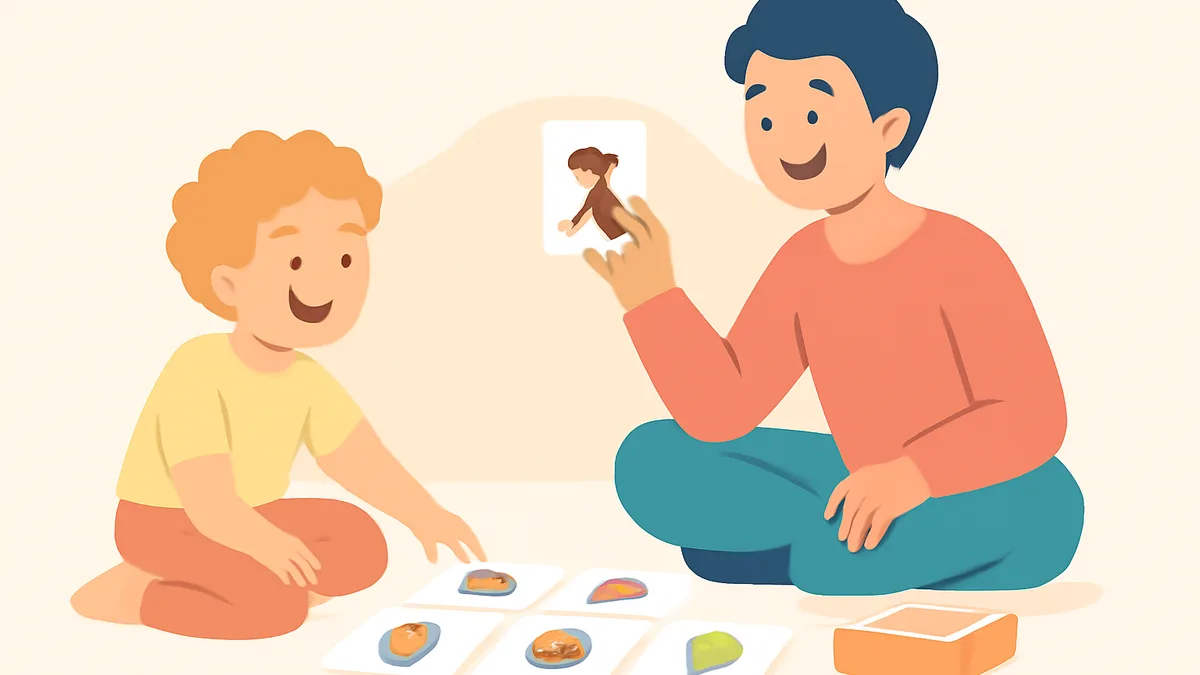
What preschool phonics should include
- Rhyme and alliteration games. "What rhymes with cat?" and "can you think of another word that starts like Sam?" build the sound-awareness foundation phonics later depends on.
- Syllable clapping. Clapping out "ba-na-na" or a child's own name builds the skill of breaking words into chunks, well before letters are involved.
- Letter name and sound exposure through play. Alphabet books, magnetic letters, and pointing out letters in the environment — casual, not drilled.
- Heavy read-aloud time. Being read to daily builds vocabulary and story sense that directly supports comprehension once decoding starts.
What it usually shouldn't include yet
It's tempting to start formal blending and decoding early, especially if a preschooler seems bright and curious. For most children, though, independent blending (turning c-a-t into "cat" without help) is a kindergarten-age skill, and pushing it earlier tends to produce frustration rather than a real head start. If a preschooler is genuinely asking to read and picking it up with ease, that's different from being drilled into it — see our how to teach phonics to a 3-year-old guide for how to follow that lead without forcing the pace.
Readiness varies more than age does
Two children can be the exact same age and be at very different points of readiness for formal phonics — this is normal, and pre-reading skills at 3-4 predict later success better than an early start on decoding itself does.
A simple weekly shape
| Activity | Focus | Time |
|---|---|---|
| Read-aloud | Vocabulary, story sense | Daily, 15-20 min |
| Rhyme/alliteration game | Phonological awareness | 3-4x/week, 5-10 min |
| Letter exposure (books, magnets) | Letter name/sound familiarity | A few times a week, casual |
| Syllable clapping | Word segmentation | A few times a week, casual |
What this looks like in a real day
Most parents don't need a dedicated "phonics time" each day — for preschoolers, the richest moments happen inside routines that already exist. Breakfast can turn into a quick rhyming game ("what rhymes with toast?") while pouring cereal. A walk to preschool becomes a chance to spot and name letters on signs or number plates, with no pressure to remember them. Bath time can fold in alliteration ("can you find something that starts like bubble?"). None of this needs a workbook, a timer, or a sit-down lesson — for more playful game ideas like these, see our how to teach rhyming to toddlers guide. If a preschooler loses interest after thirty seconds, that's completely normal at this age — the game can simply end and pick up again later, or the next day. What matters more than any single activity is that sounds and letters show up often, lightly, and without stakes. A child who hears rhymes at breakfast, spots letters on the walk to preschool, and gets read to before bed is building a stronger phonics foundation than one doing a single formal 15-minute lesson, even though it looks like nothing "formal" happened at all.
For the stage right before this, see our toddler pre-reading skills guide, and for what changes once formal phonics begins, see our phonics stages by age guide.
Not sure where to start?
Build a free personalised phonics practice plan for your child — pick a start date and pace, we schedule the rest.