Phonics blog

How to Teach Rhyming Before Phonics Even Starts

Rhyme awareness moves through 3 stages — exposure, judgment, production — rushing to the last before the first two are solid is the top mistake.

6 min read

Rhyme is often a toddler's very first brush with the idea that words are made of sound parts — long before any letter is introduced. Here are the 3 stages it moves through, and the mistake that trips up most well-meaning rhyme games.
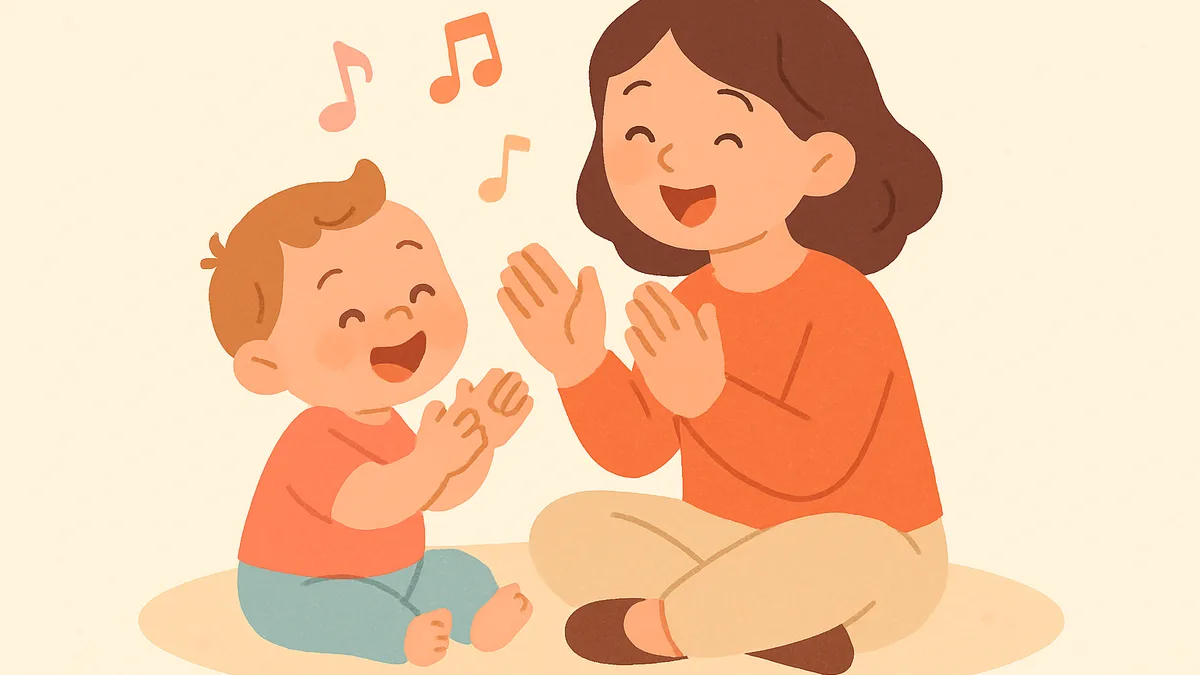
A parent and toddler singing together happily, clapping hands to a rhythm

Stage 1: Exposure (from about 18-24 months)

Just hearing rhymes, repeatedly, through nursery rhymes and songs — no task, no questions, just exposure. This is the entire job at this stage; don't rush past it.

Stage 2: Rhyme judgment (from about age 3)

"Does cat rhyme with hat? Does cat rhyme with dog?" A simple yes/no judgment — much easier than generating a rhyme, and it should feel solid before moving on.

Stage 3: Rhyme production (from about age 4)

"Can you think of a word that rhymes with cat?" This is genuinely harder — it requires generating, not just recognising — and it's the stage most parents jump to first, skipping the easier judgment stage that should come before it.

The most common mistake

Asking a 2-3 year old to produce a rhyme before rhyme judgment is secure sets up frustration for no benefit — production is a genuinely harder skill. Spend real time on stage 2 (does X rhyme with Y?) before ever asking for stage 3 (think of a word that rhymes with X).

Rhyming is the very first rung of a longer ladder — see our phonological awareness activities guide for the 8 levels that follow, and phonics for 2-year-olds for what else fits alongside rhyming at this age.

Not sure where to start?

Build a free personalised phonics practice plan for your child — pick a start date and pace, we schedule the rest.

Frequently asked questions

What age should rhyming be introduced?+
As early as 18-24 months, in the simplest form — just hearing nursery rhymes and songs. The more structured rhyme-judgment and rhyme-production games come later, typically age 3+.
What are the 3 stages of rhyme awareness?+
Exposure (hearing rhymes through songs and books), judgment (telling whether two words rhyme), and production (generating a rhyming word). They build in that order — production is the hardest and comes last.
What's the most common mistake when teaching rhyming?+
Jumping straight to asking a child to produce a rhyme ("what rhymes with cat?") before rhyme judgment is solid. Judging whether two given words rhyme is much easier and should be secure first.
Is rhyming actually necessary for learning to read?+
It's not the only path, but it's one of the strongest early predictors of how easily phonics will click later, because it's a child's first real exposure to breaking words into sound parts.

Turn this into a dated schedule

Pick a start date and a pace, and get all 43 sounds laid out as dated sessions — free to preview, downloadable as a calendar.

Build your plan →

Related posts

Get the app

Get the full app — 15 phonics games, 43 native sounds

Free on iPhone, iPad, and Android. Works offline. No ads, no surprise paywalls.

ABC Phonics — Sounds for Kids