
Phonics is still a couple of years away for most toddlers, but the foundation for it is being built right now — in nursery rhymes, silly made-up words, and being read to on the sofa. Here's what actually matters before formal phonics starts.
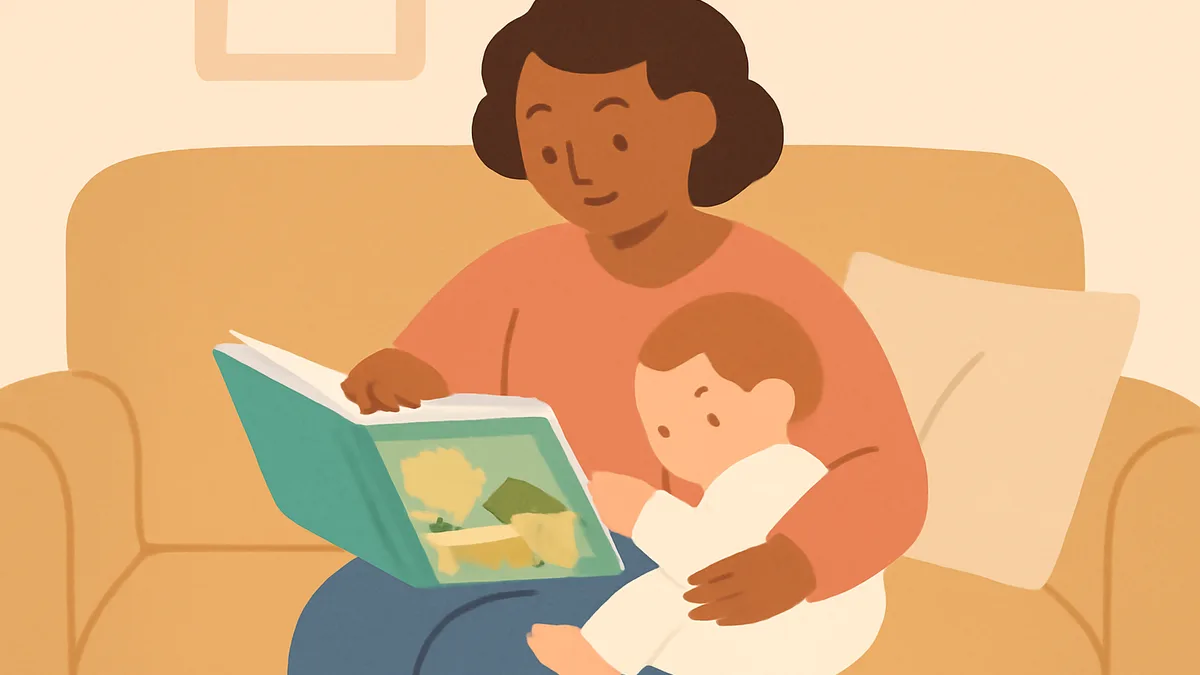
The skills that actually predict later reading
None of these skills look like "reading" yet, and that's the point — they're building the ear and the mental model that formal phonics will later attach letters and sounds to.
- Spoken vocabulary. The single strongest predictor of later reading ability is simply how much rich spoken language a child has been exposed to — through talking, narrating daily life, and being read to.
- Enjoyment of rhyme and repetition. Nursery rhymes, silly rhyming songs, and books with repeated lines train the ear to notice sound patterns, which is the seed of phonological awareness.
- Print awareness. Noticing that a book has a front and back, that pages turn in order, and that the print (not just the pictures) carries the story.
- Environmental print recognition. Recognising a familiar logo or sign (a favourite cereal box, a stop sign) is an early, low-pressure form of symbol recognition.
Talk more than you "teach"
At this age, ordinary narration — describing what you're doing, naming objects, asking simple questions during a story — does more for later reading than any structured activity. Keep it conversational, not lesson-like.
Simple daily habits that help
- Read together every day, even briefly. Five to ten minutes of a favourite book, re-read as many times as they want — repetition is genuinely valuable at this age, not a sign of a lack of variety.
- Sing and say nursery rhymes often. Leave off the last word sometimes and let them fill it in — this is a playful early rhyme-awareness check.
- Narrate daily routines out loud. "We're putting on your blue socks now" builds vocabulary passively, all day long.
- Keep letters casual, not drilled. Alphabet books and songs are fine; formal letter-sound lessons aren't necessary yet.
Books that make this stage easier
- Board books with thick pages. They're durable enough to survive independent page-turning, which lets a toddler feel like they're "reading" on their own — an early form of print awareness — without a caregiver hovering to protect the pages.
- Repetition and cumulative books. A refrain a toddler can predict and eventually chime in on trains the ear to notice pattern and rhythm, which is the same underlying skill that rhyme games and nursery songs are building.
- Lift-the-flap and touch-and-feel books. The interactive element keeps a wandering toddler's attention on the page itself rather than pulling it elsewhere, which matters more at this age than book length or story complexity.
- Simple, bouncy rhyming picture books. These reinforce the same rhyme awareness nursery rhymes are already building, just in book form — and they often become the ones a toddler asks to hear again and again, which is exactly the point at this age.
For where this leads next, see our preschool phonics curriculum guide, our phonics for 2-year-olds guide, or the full phonics stages by age guide for the complete picture.
Not sure where to start?
Build a free personalised phonics practice plan for your child — pick a start date and pace, we schedule the rest.